What Makes Europe the Global Biogas Leader?

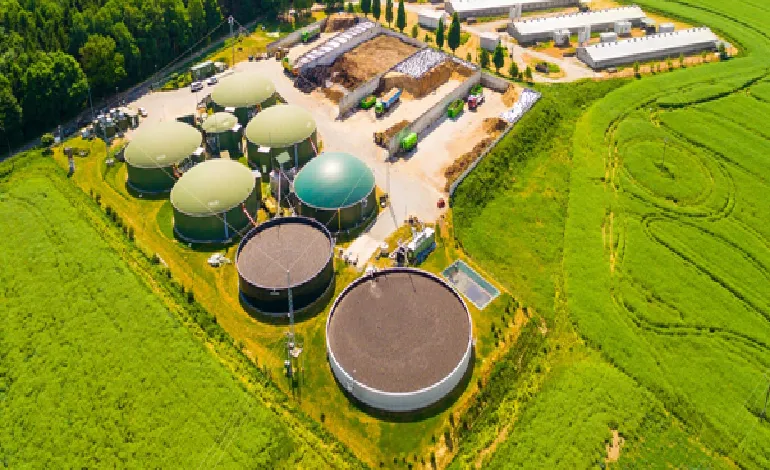
The growth of biogas production varies significantly across the globe, shaped by feedstock availability and, more importantly, supportive policy frameworks. According to the International Energy Agency (IEA), Europe, China, and the United States dominate this sector, accounting for 90% of global biogas output. Among them, Europe stands out as the leader, with Germany alone contributing two-thirds of the continent’s biogas plant capacity. Other European countries like Denmark, France, Sweden, Italy, Finland, and the Netherlands have also made remarkable strides in advancing biogas production. Meanwhile, a substantial portion of the remaining global production comes from developing nations in Asia, notably India and Thailand.
Denmark has demonstrated exemplary leadership with its 100% biomethane replacement target by 2030. Germany supports renewable energy producers with guaranteed long-term remuneration contracts spanning 20 years. A cost-sharing model splits gas grid injection expenses between biomethane plant operators (25%) and grid operators (75%). Berlin has further embraced the circular economy by using biomethane derived from organic waste to power its waste collection vehicles. To avoid the food-vs-fuel conflict, Germany restricts the use of food crops like corn and grains to a maximum of 40% for biomethane production.
Italy incentivizes biomethane through capital grants covering up to 40% of new plant construction costs and offers 15-year tariff support for net production. France complements this by sharing costs between biomethane plant operators and grid operators, introducing a zoning approach for shared gas injection facilities, and adjusting gas feed-in tariffs to align with inflation. By 2025, Paris aims to power its entire bus fleet with biomethane or electricity, boosting sustainable urban transportation.
The UK targets a 10% biomethane share in its gas grid by 2025, supported by renewable gas guarantees of origin for certification. The Netherlands aims for a 20% blending rate by 2030, backed by subsidies for low-carbon technologies. Sweden provides investment support covering up to 45% of the costs for greenhouse gas reduction measures, including biomethane plants and bio-LNG stations. Finland focuses on subsidies for biomethane infrastructure and incentives for CNG and LNG vehicles.
Successful biogas development hinges on several critical strategies:
- Ambitious Targets: Setting clear production goals, such as Denmark’s aim to fully replace natural gas with biomethane by 2030.
- Economic Incentives: Offering subsidies, blending mandates, and trade facilitation.
- Standards and Certifications: Developing gas quality standards and frameworks for byproduct digestate use.
- Risk Mitigation: Utilizing public-private partnerships and providing financial de-risking measures.
- Green Attributes: Awarding green certificates or monetary benefits linked to environmental performance.
With countries continuously refining their approaches, biogas is poised to play a pivotal role in the transition to cleaner, circular economies worldwide.